
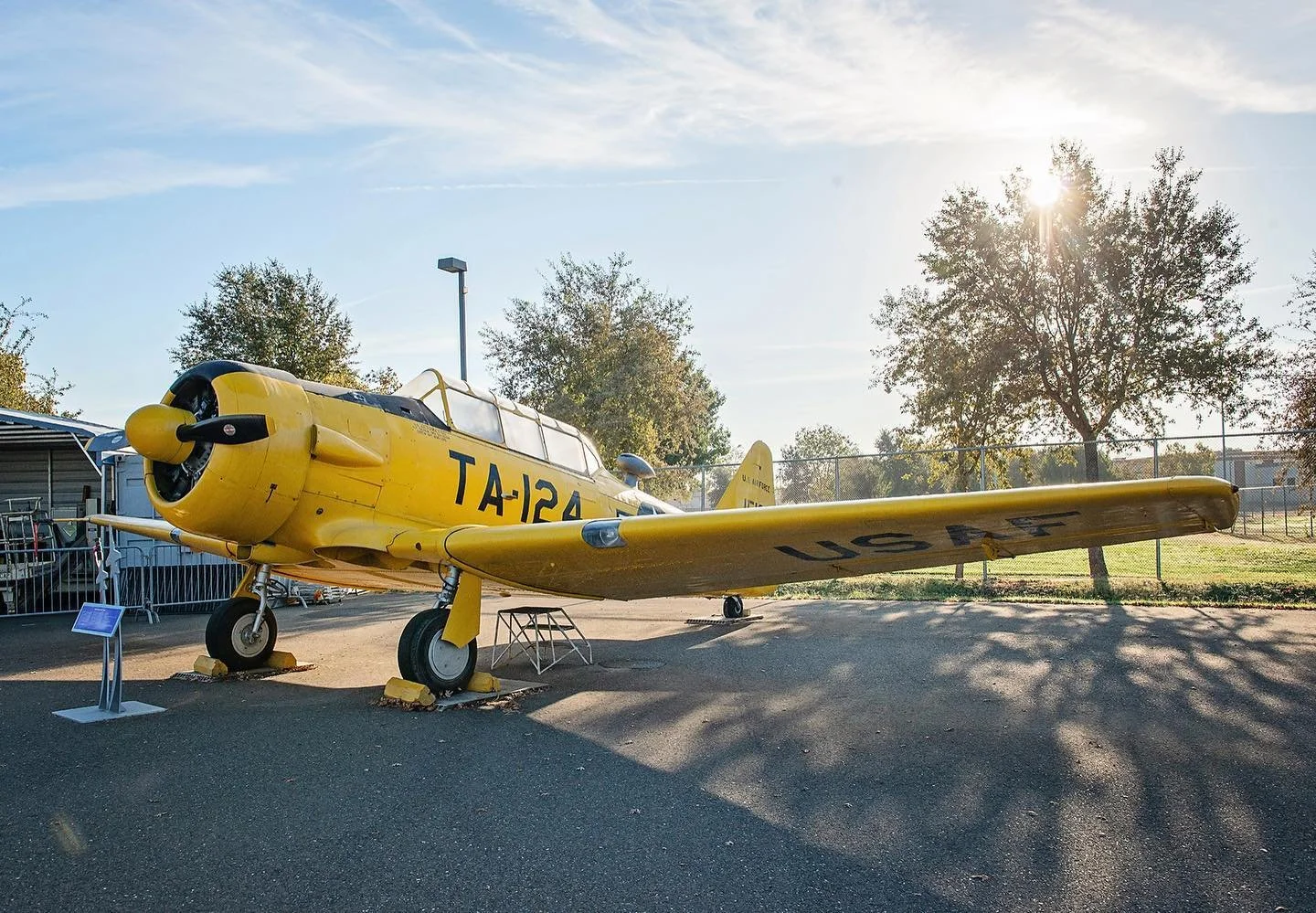
North American T-6G “Texan”
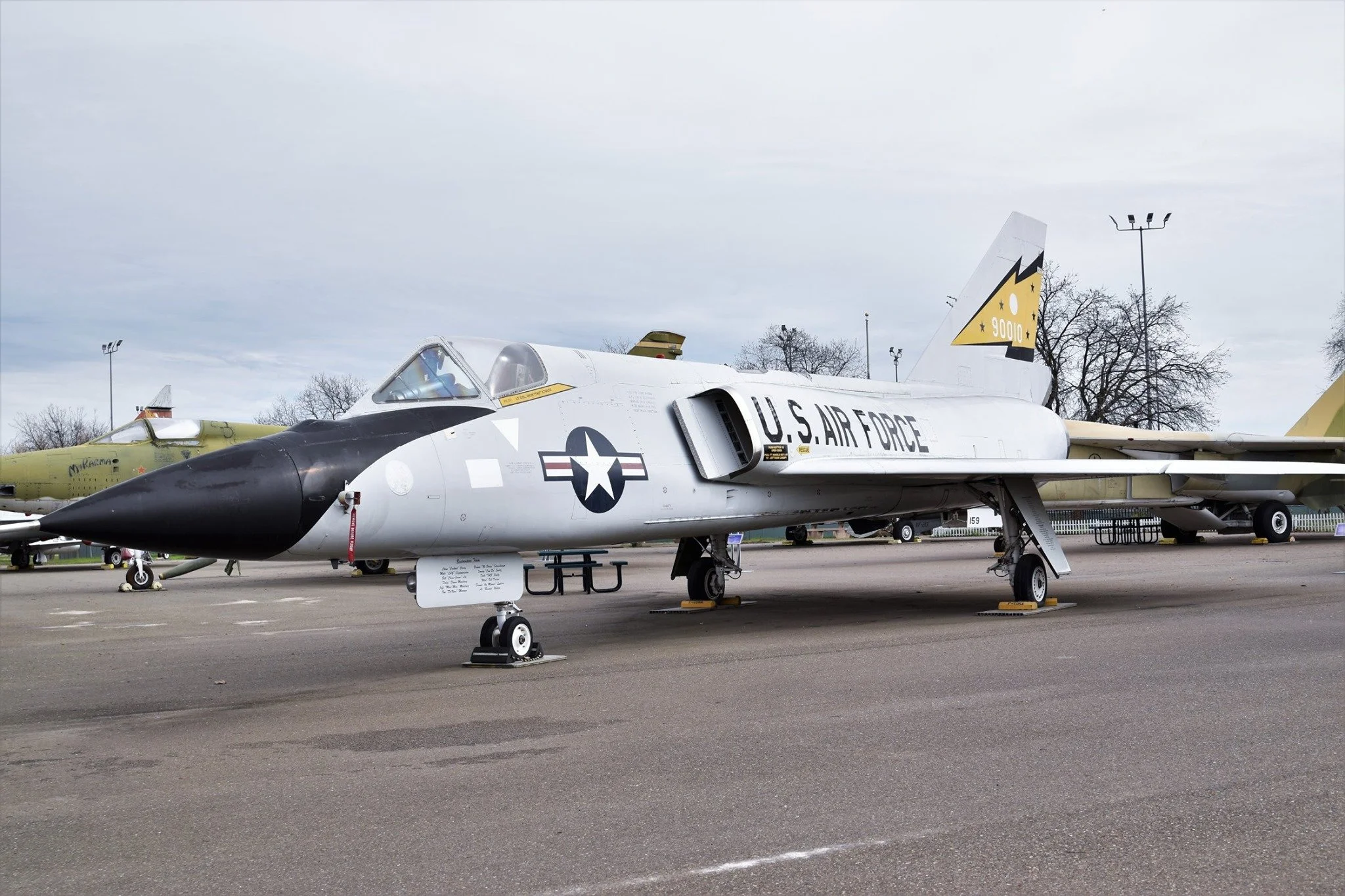
Convair F-106A “Delta Dart”
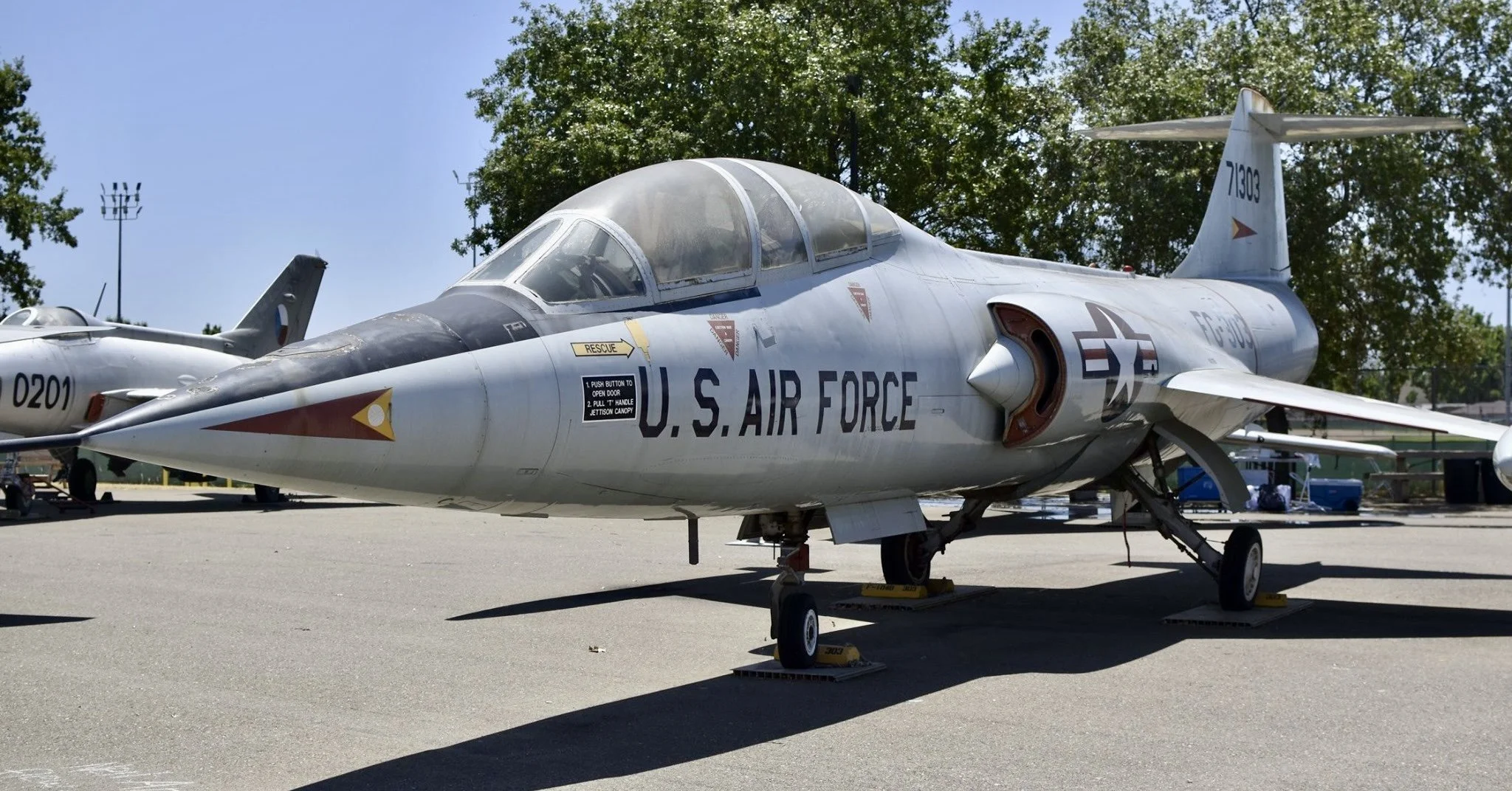
LOCKHEED F-104B “STARFIGHTER”
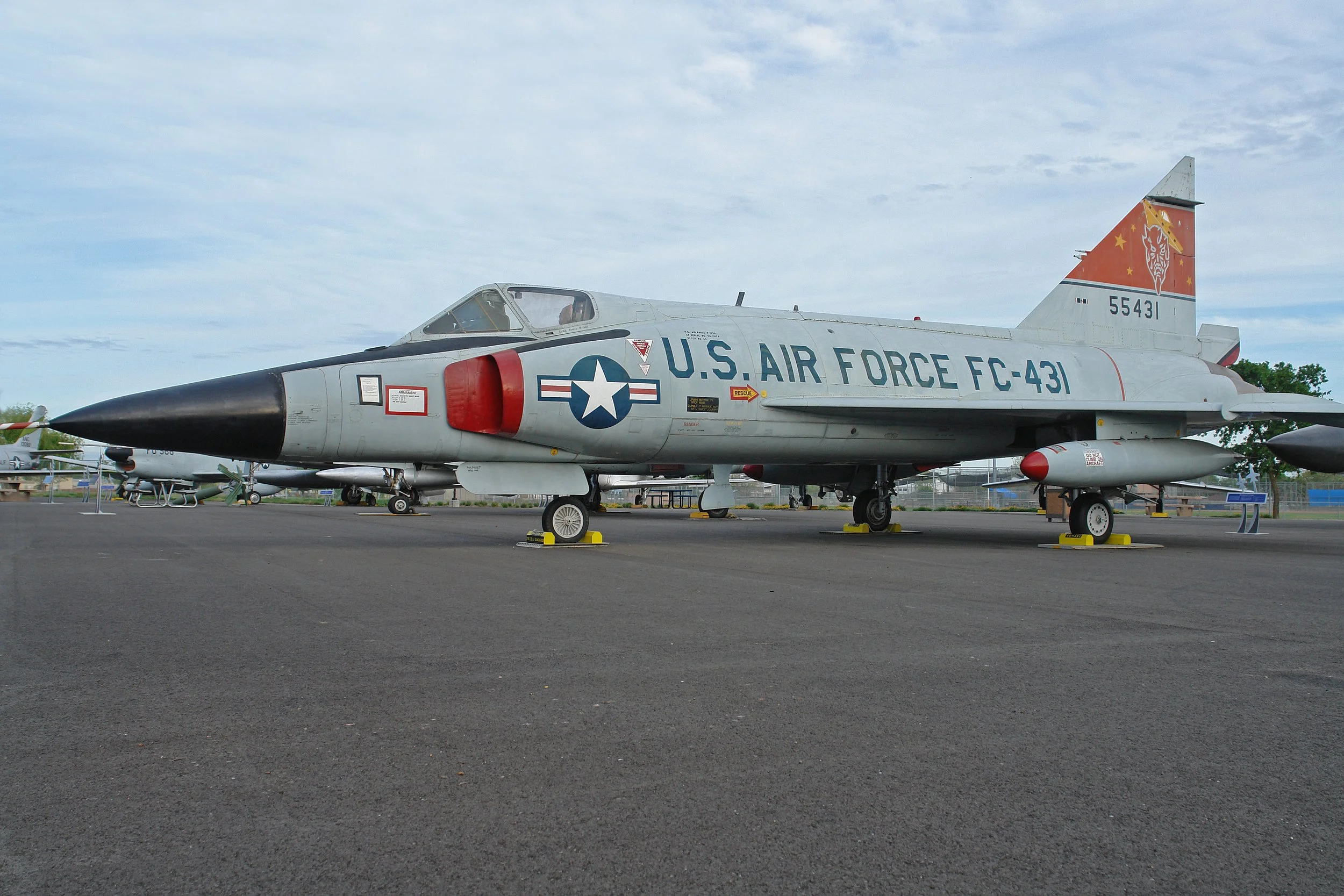
Convair F-102A “Delta Dagger”
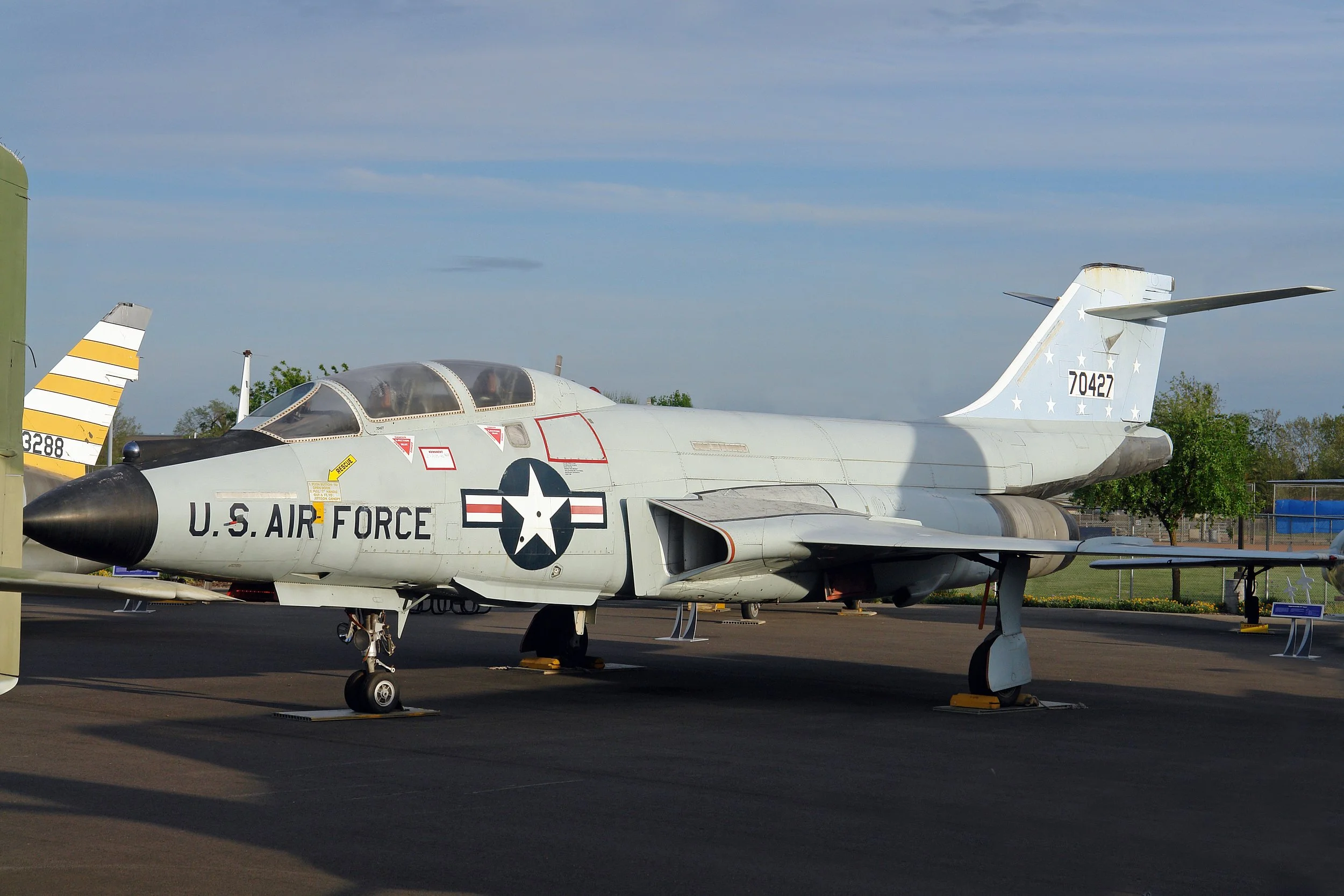
McDONNELL F-101B “Voodoo”
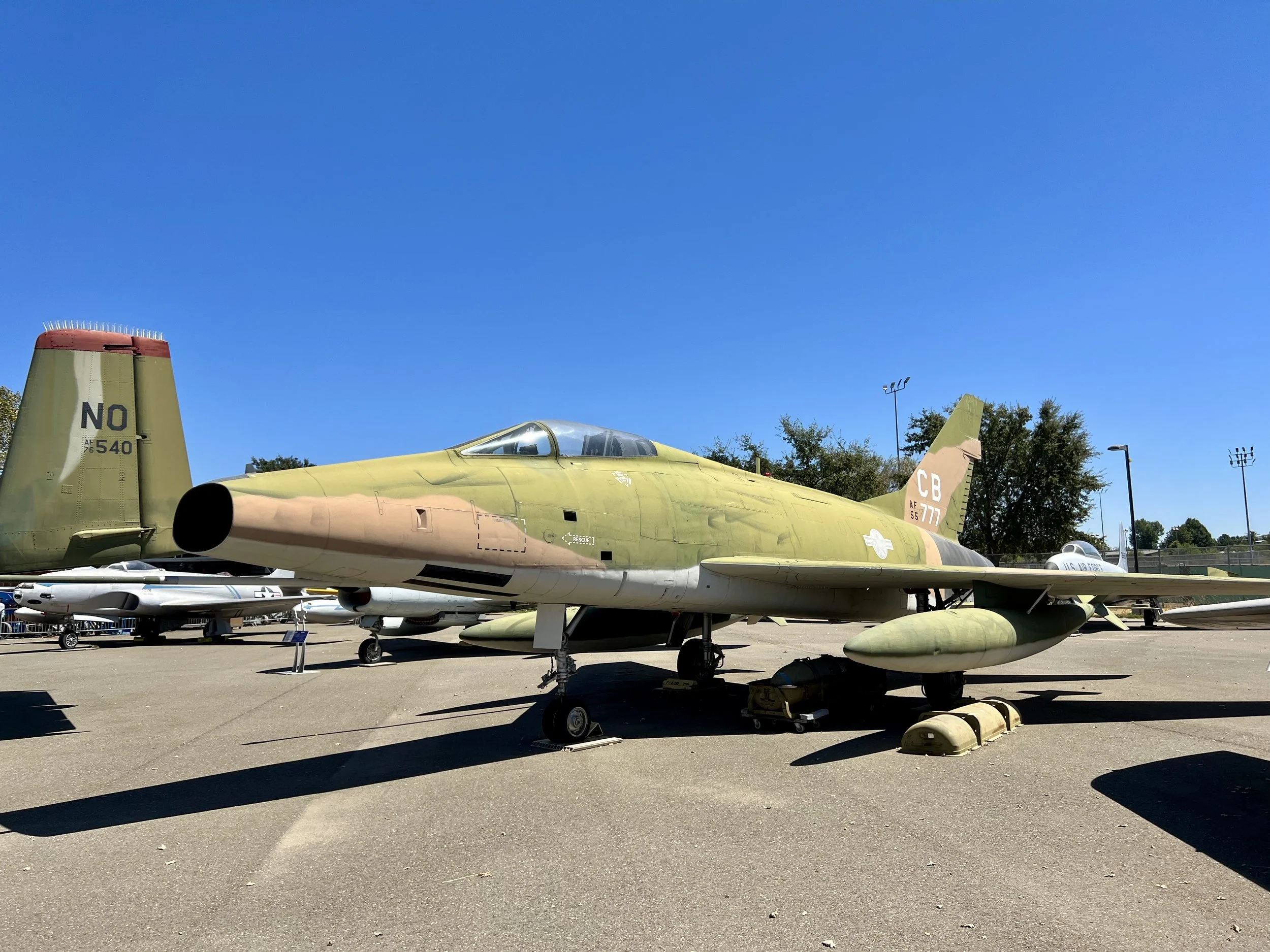
North American F-100D ‘Super Sabre’
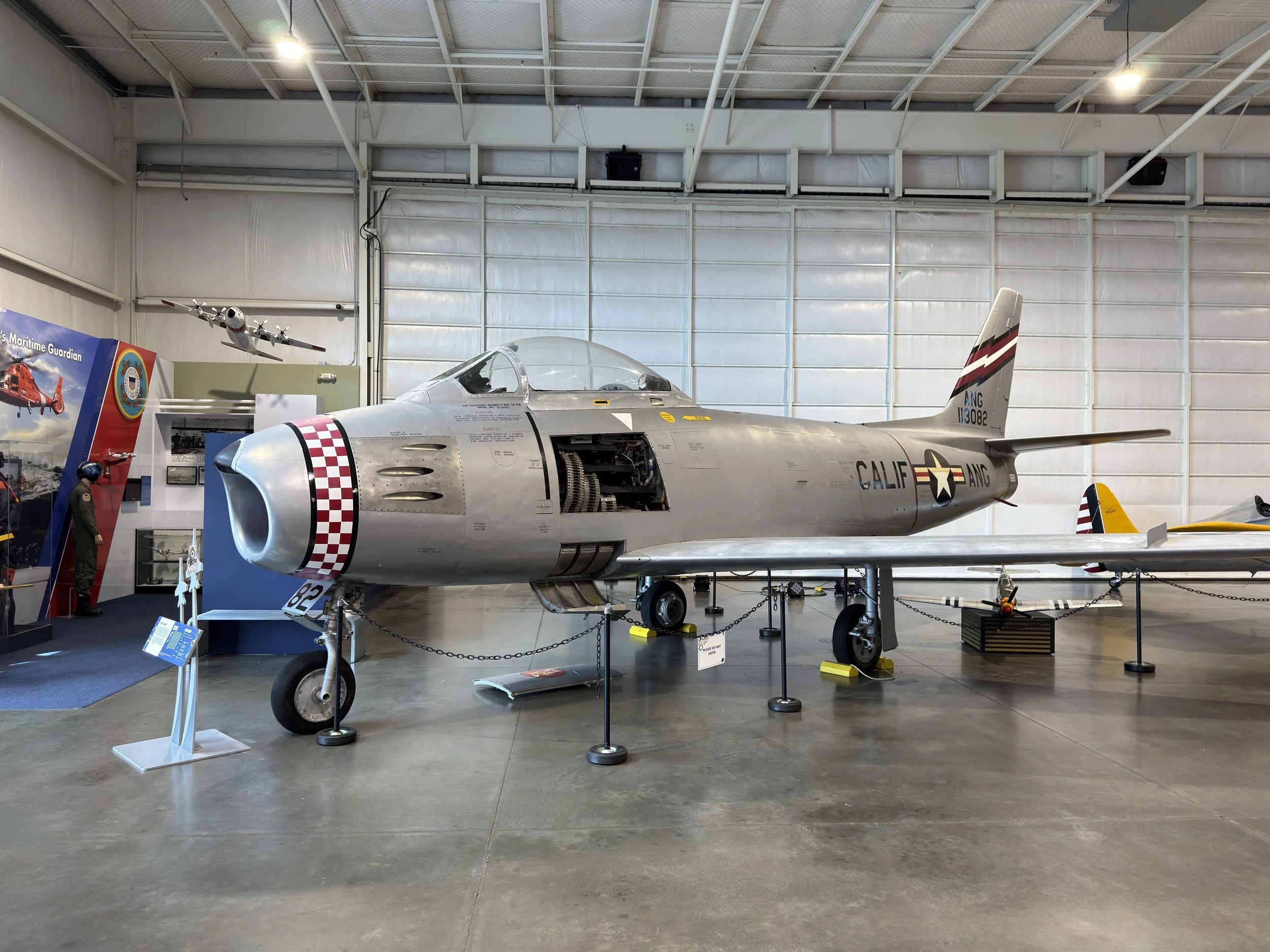
North American F-86F ‘Sabre’
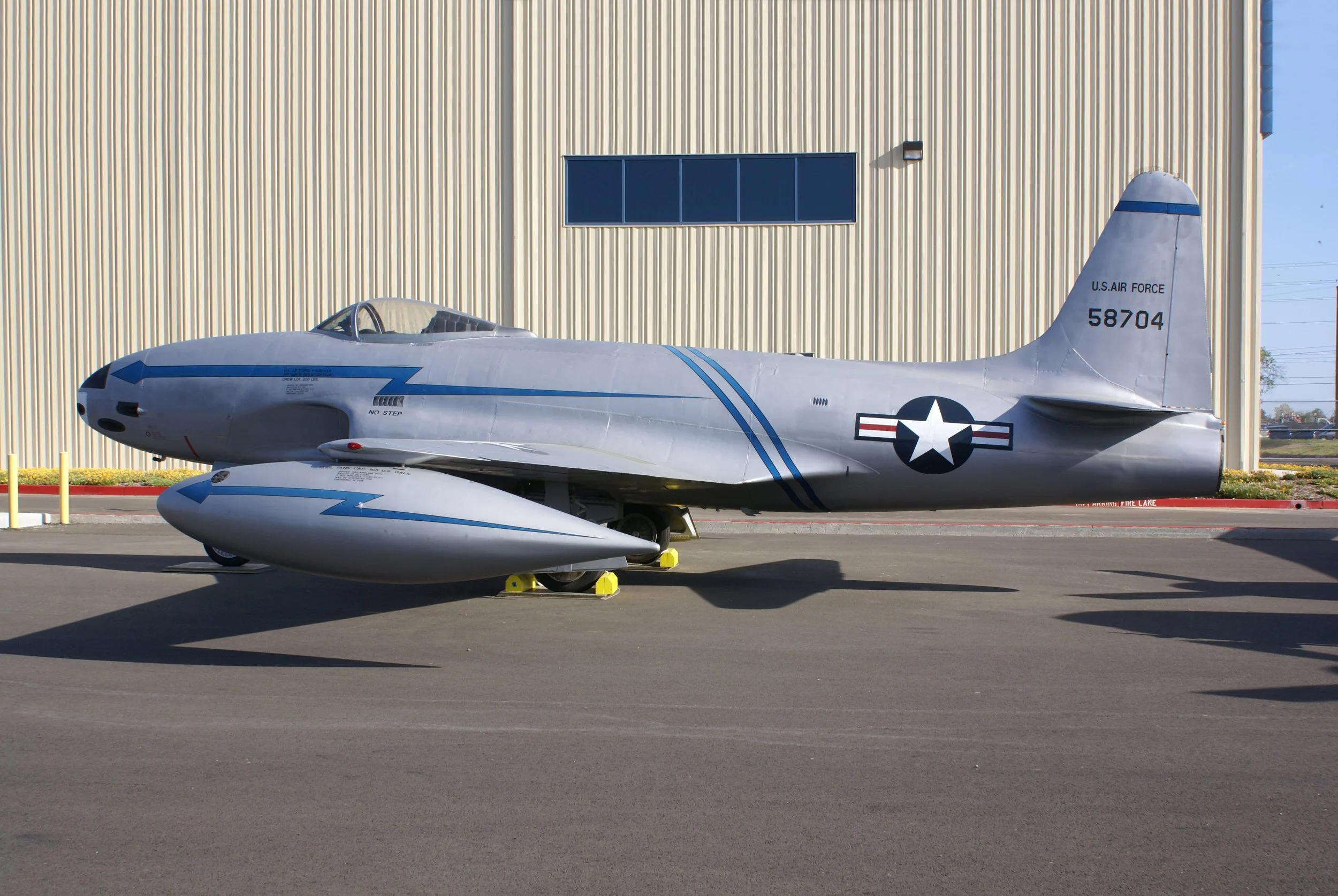
LOCKHEED F-80B ‘SHOOTING STAR’
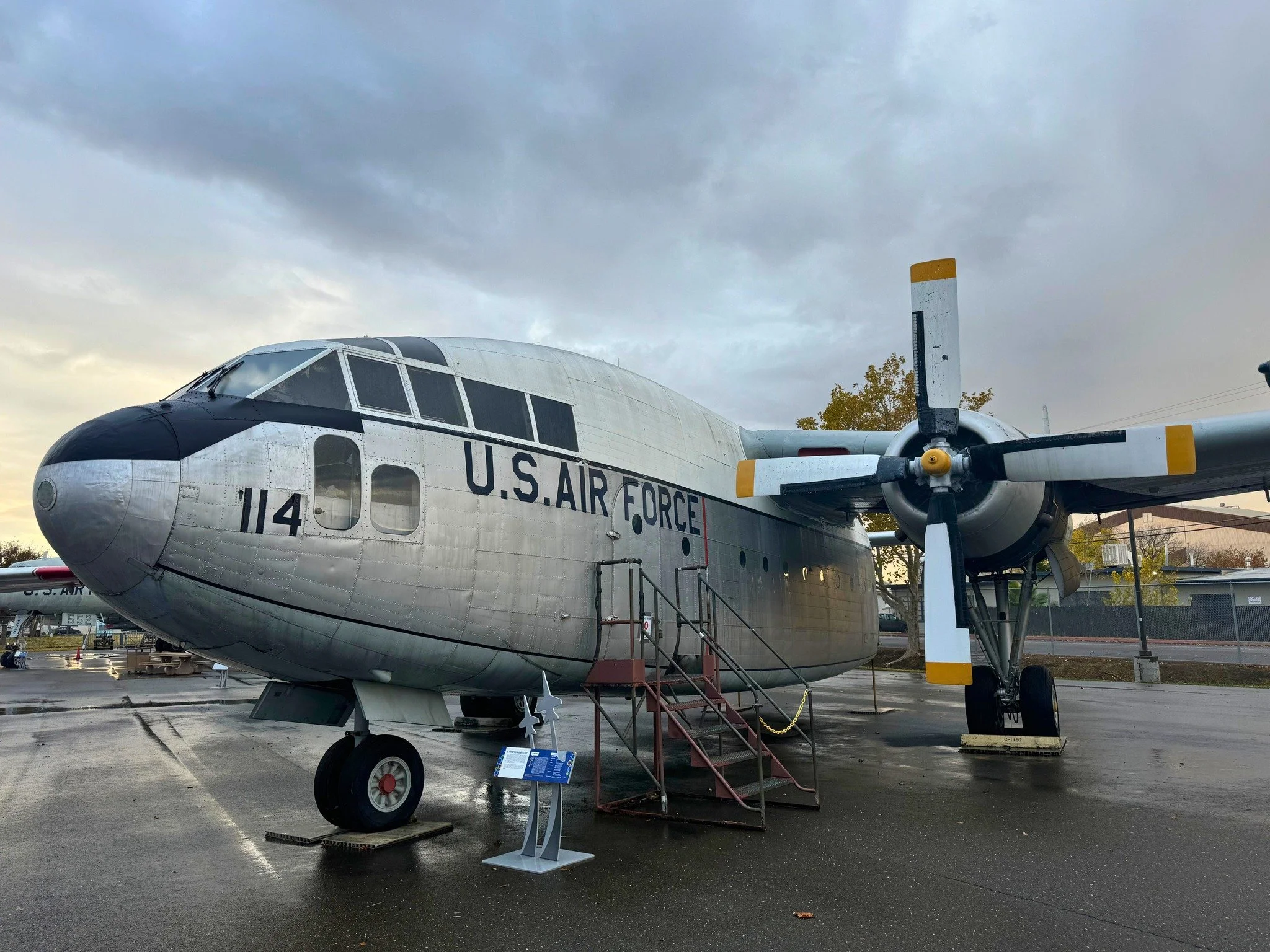
Fairchild C-119G ‘Flying Boxcar’
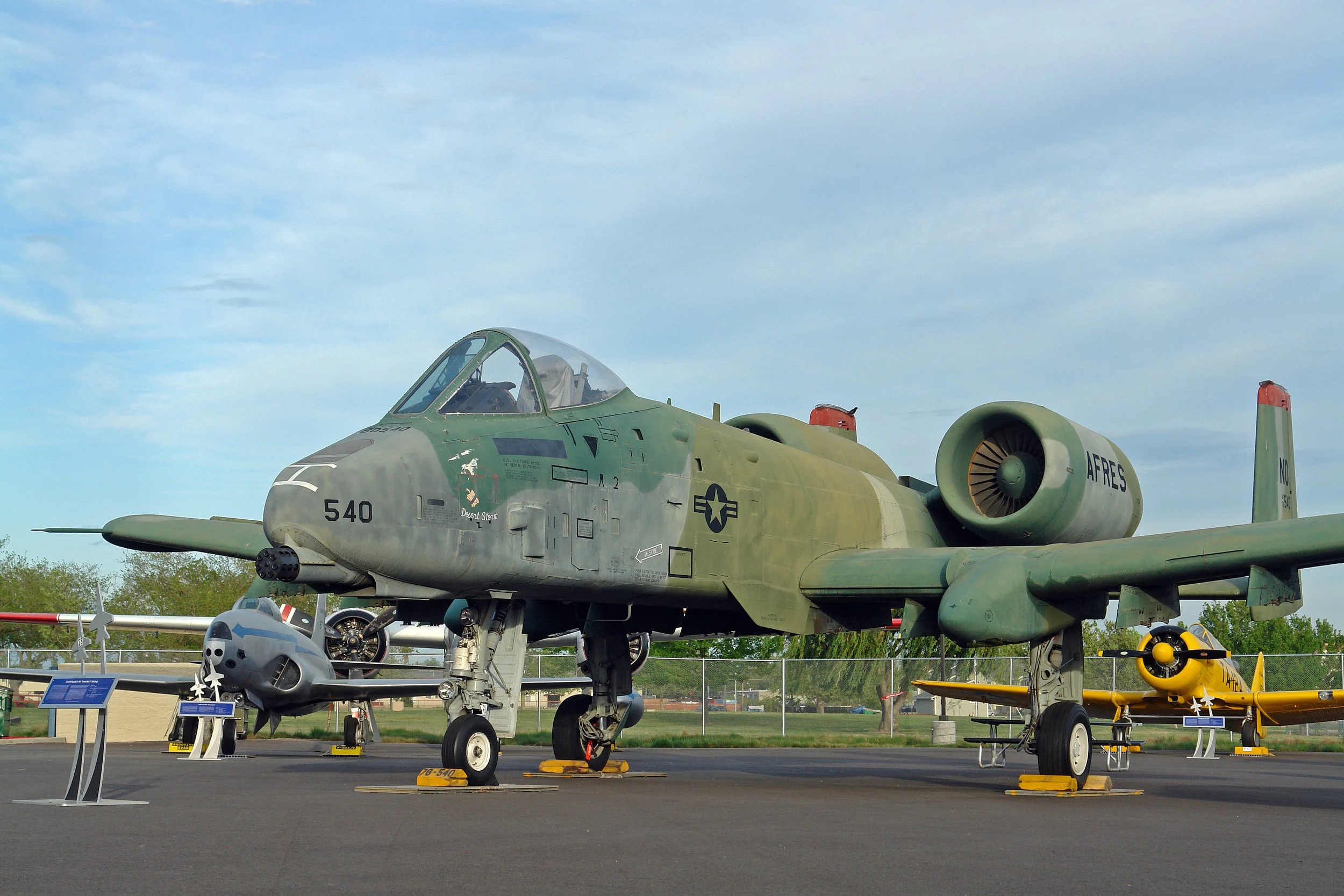
FAIRCHILD-REPUBLIC A-10A THUNDERBOLT II “WARTHOG”
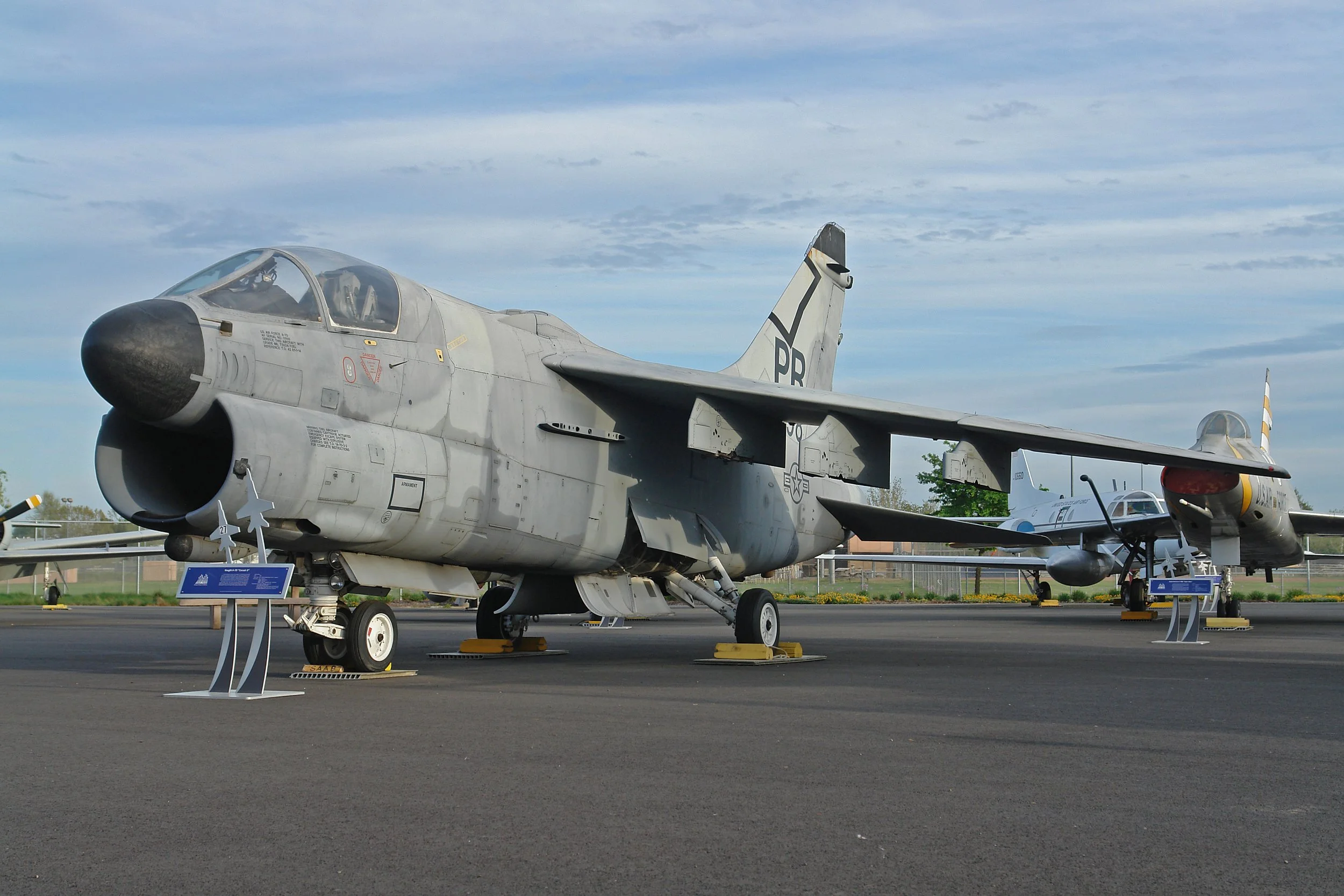
VOUGHT A-7D CORSAIR II

A-4C Skyhawk
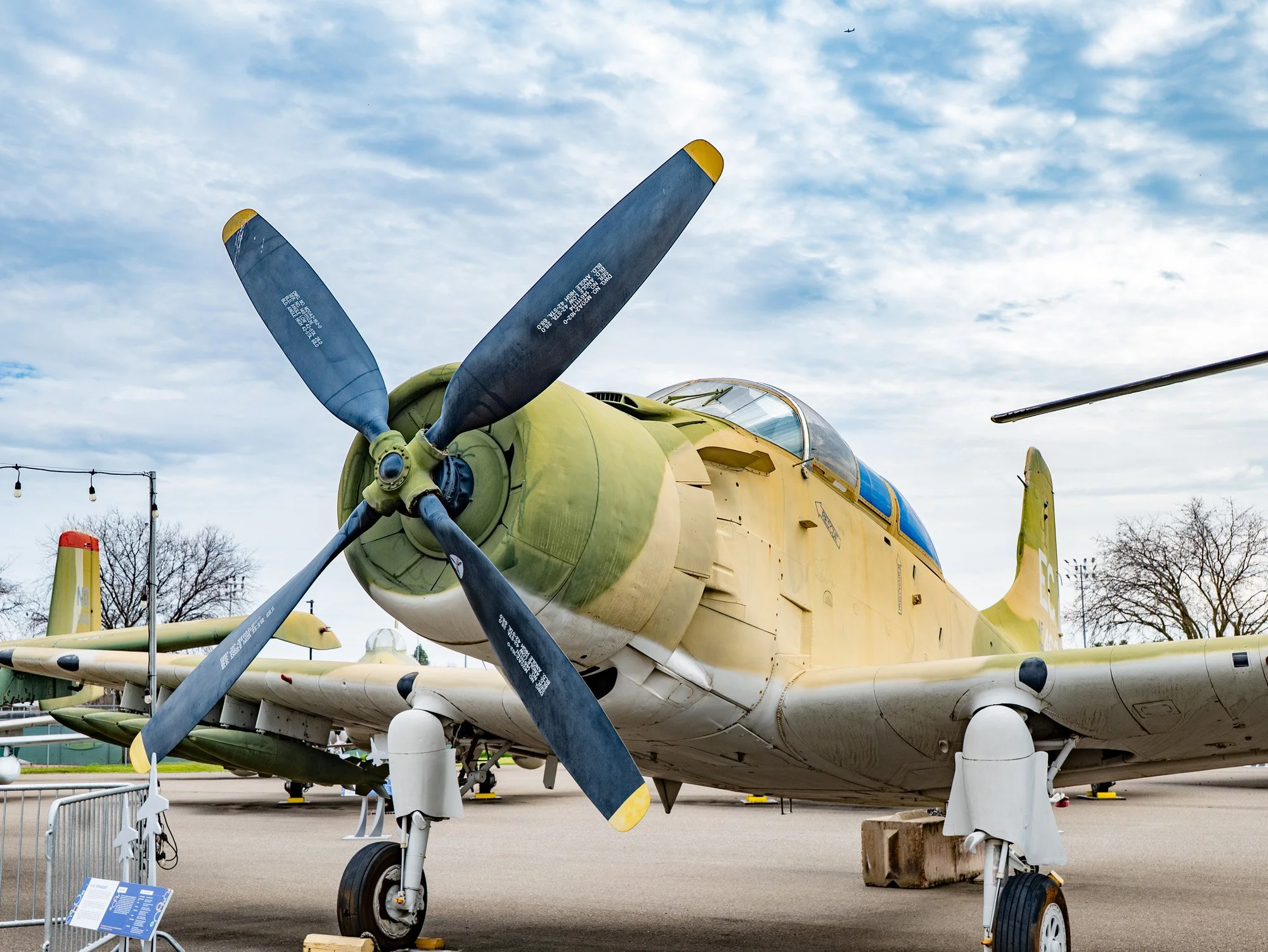
Douglas A-1E Skyraider
Douglas A-1E Skyraider
Built by Douglas Aircraft Corp., the AD-5 (A-1E) entered serice with the US Navy as an attack bomber prior to tge Korean War. Diring the Vietnam War, 50 aircraft were taken from storage and used by the USAF and RVN pilots for close support and rescue helicopter escort. Major Bernard Fisher flew one of these aircraft when he rescued a fellow pilot from behind enemy lunes on March 10, 1966, becoming the first USAF Medal of Honor recipient during the Vietnam conflit. U.S. Navy BuNo 132463 was one of 670 AD-5s built by Douglas at their El Segundo, California plant, anf accepted by the Navy in February 1954. Is served aboard the U.S.S. Shangri-la. U.S.S. Franklin Roosevelt, U.S.S. Intrepid, and U.S.S. Enterprice before being stricken from the Navy records in July 1963. In 1962 AD-5s were redesigned as A-1Es. It was brought to the museum from storage in October 1985 and restored by the museum staff. It is painted in the markings of the 1st Special operations Squadron, 14th Special Operations Wing.
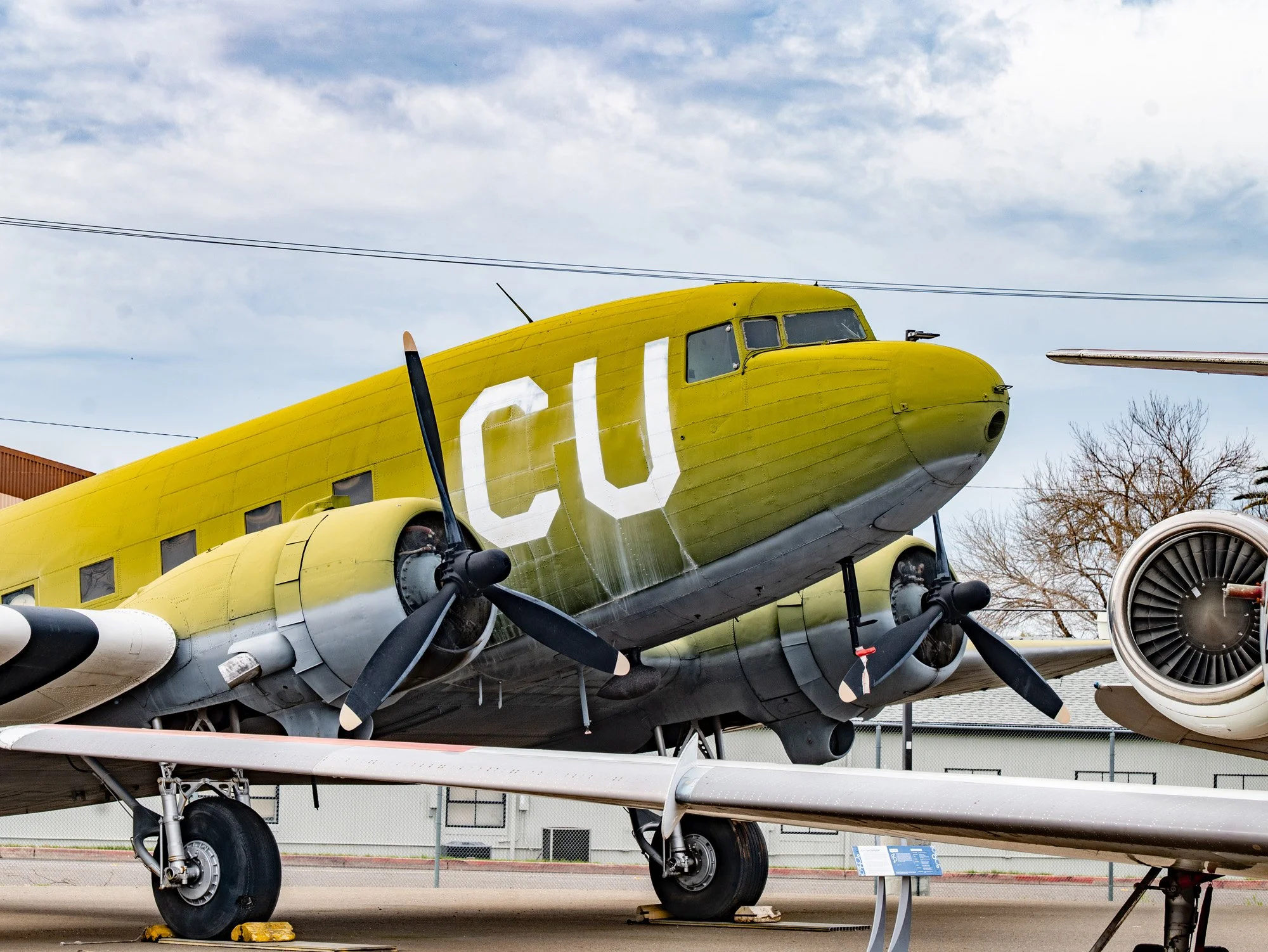
C-53 'Skytrooper'
The United States Army Air Forces (USAAF), the precursor to the United States Air Force (USAF), used nearly 10,000 special purpose Douglas DC-3 commercial airliners during World War II. The most common was the C-47 “Skytrain” that had a reinforced floor and a large cargo door. The similar Douglas C-53 “Skytrooper” carried wounded personnel, cargo, and paratroopers during the war. The C-53 is arguably the most significant early airline aircraft in history. General Eisenhower named the C-53 as one of the four tools that won World War II.
The Aerospace Museum of California’s Skytrooper, affectionately known as “Ruby Ann” by her crew, may have flown in support of the D-Day invasion over Normandy, France, on June 6, 1944. She also towed gliders during Operation Market Garden, the largest airborne mission in history. “Ruby Ann” likely dropped supplies to troops surrounded in Bastogne during the Battle of the Bulge, the last major German attack at the end of 1944. After World War II, “Ruby Ann” came back to the United States. She first flew as a passenger plane for American Airlines. Then she passed through several private aircraft owners before the Drug Enforcement Agency (DEA) reclaimed her in July 1984. After two years of restoration, she came to rest here at the Aerospace Museum of California.
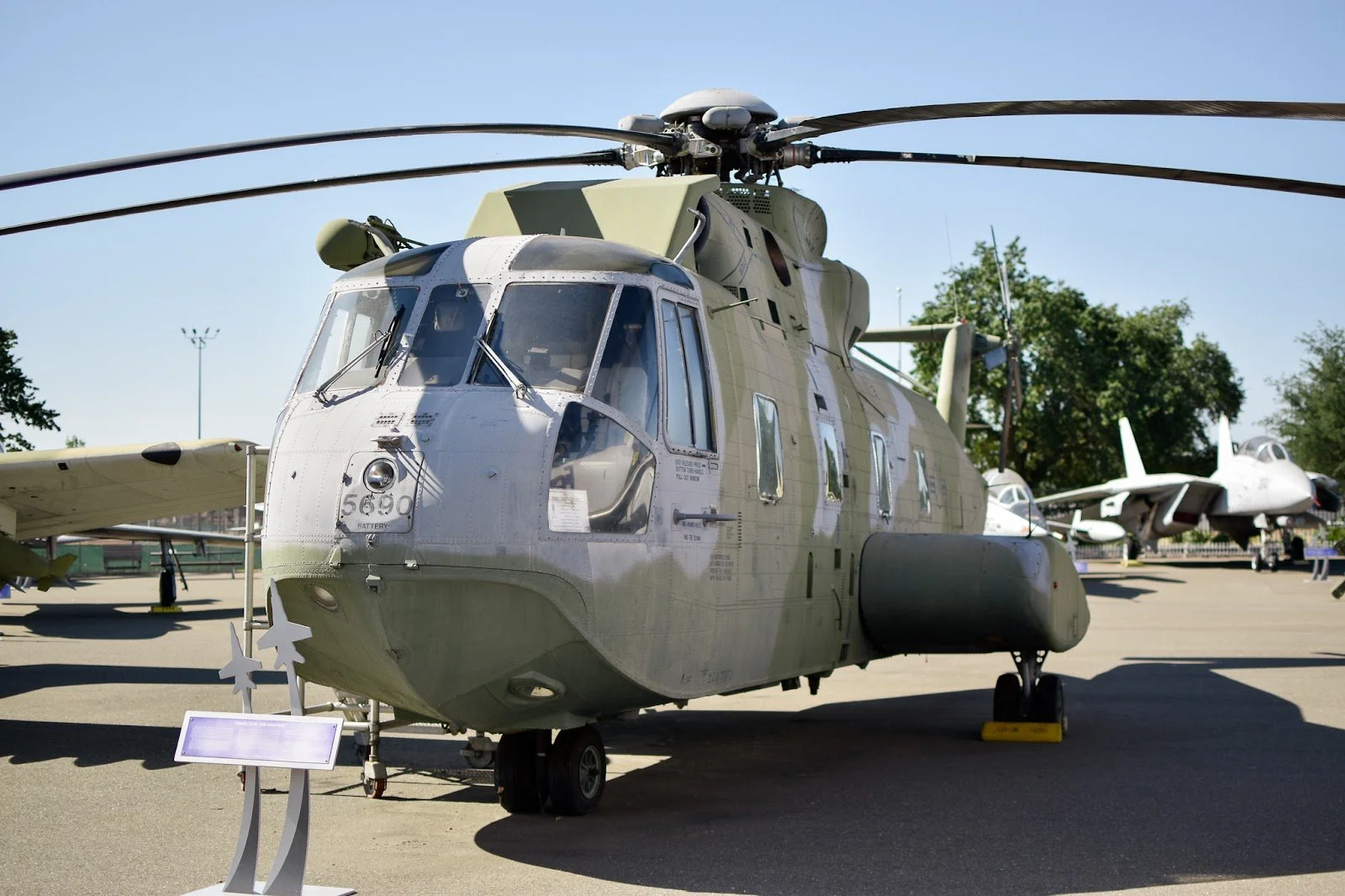
Sikorsky CH-3E 'Jolly Green Giant'
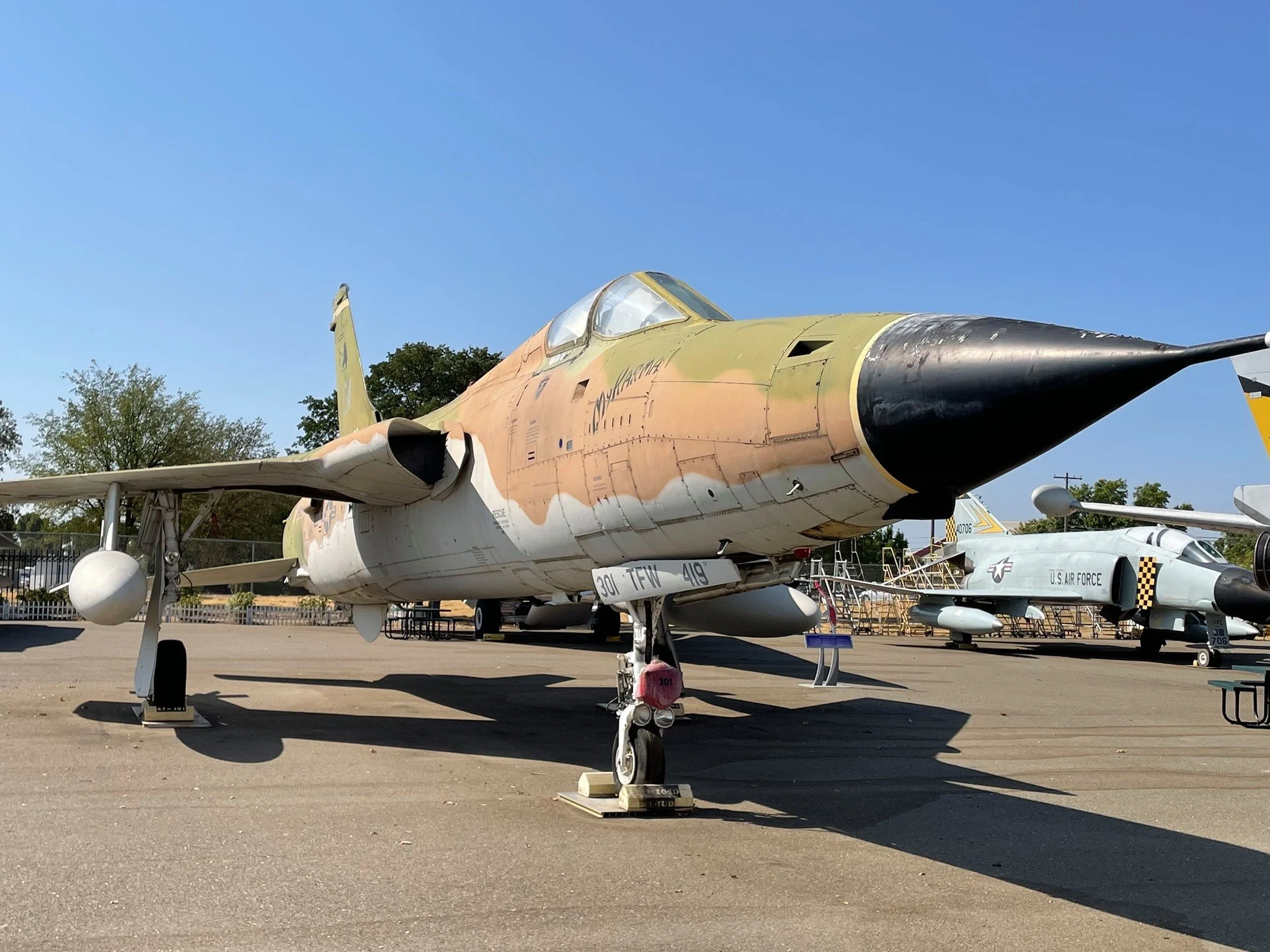
Republic F-105D ‘Thunderchief’ (THUD)
F-105 ‘Thunderchief’